
By HiCollector
If you were a child of the eighties, then the title Masters of the Universe should be no stranger to you.
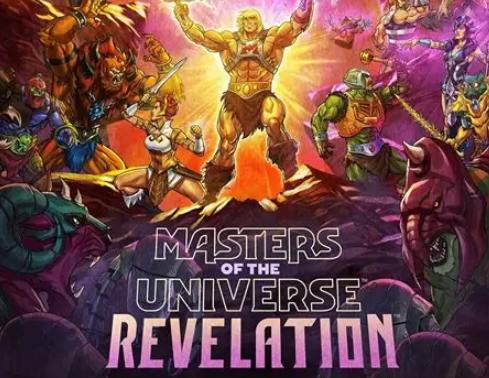
He-Man, Skeletor, Teela, Man-At-Arms, Orko, Evil-Lyn, Beast Man and the rest of the heroes and villains of Eternia were a big part of growing up during the 1980s. There were the action figures, Castle Grayskull, vehicles, playsets, comic books and, of course, the animated television series.
So when rumors began circulating several years ago about a new Masters of the Universe series, I was interested—but also a little hesitant.
I had seen He-Man reinvented before.
He-Man Returns Again
Back in 2002, He-Man and the Masters of the Universe rebooted the franchise for a new generation. The characters were redesigned, the animation was modernized, and Eternia was given a fresh new look.
I enjoyed seeing the characters return, but there is always a challenge when something from your childhood is rebooted.
Part of what makes these characters special is nostalgia. When you’ve grown up with He-Man raising the Power Sword and declaring, “By the power of Grayskull!”, you already have an idea of what Masters of the Universe is supposed to feel like.
That is why I wasn’t sure what to expect when Netflix announced Masters of the Universe: Revelation.
Would this simply be another reboot?
Would all the characters be redesigned and their histories rewritten?
Would it still feel like the Masters of the Universe I remembered?
Fortunately, Revelation took a different approach.
This Isn’t Starting Over
What immediately made Masters of the Universe: Revelation interesting was the idea that it wasn’t simply trying to retell He-Man’s origin story again.
Instead, the series takes the familiar world of Eternia and moves its characters forward.
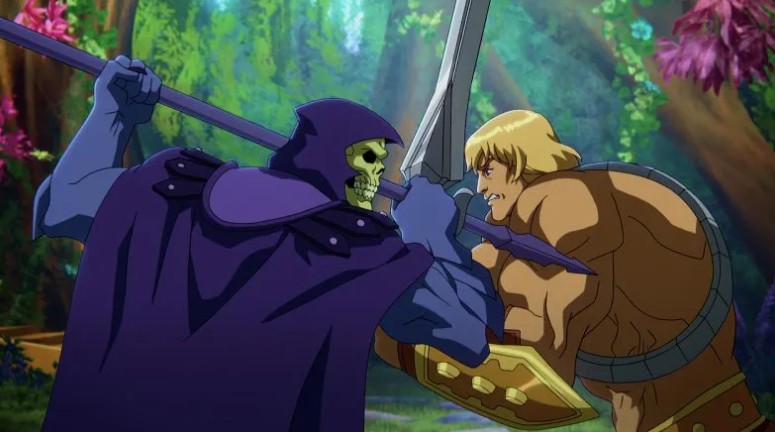
The heroes and villains are recognizable. Castle Grayskull is still there. Skeletor is still scheming. Prince Adam still possesses the Power Sword and becomes He-Man.
But the story asks a much more interesting question:
What happens next?
Rather than pretending the adventures of the past never happened, Revelation treats that history as something that matters.
For those of us who grew up watching the original cartoon, that makes the series feel less like replacing our childhood He-Man and more like returning to Eternia years later.
The Characters Have to Move Forward
One of the most interesting aspects of Revelation is that the story doesn’t focus exclusively on He-Man.
Teela becomes especially important as the consequences of long-held secrets begin affecting her relationships with the people around her. Man-At-Arms, Evil-Lyn, Skeletor and many other familiar characters are also given opportunities to develop beyond the roles they traditionally played.
That may surprise viewers expecting every episode to follow the familiar formula of He-Man battling Skeletor before everything returns to normal.
But that is also what makes the series interesting.
These characters have existed for decades. Giving them consequences, relationships and unresolved conflicts provides an opportunity to explore Eternia in ways the original cartoon rarely could.
Seeing the Toys of Our Childhood Come Alive
For collectors, there’s another reason Masters of the Universe: Revelation is fun to watch.
You recognize things.
Characters who might have originally existed because Mattel needed another action figure can suddenly become part of a larger story. Heroes, villains, creatures, weapons and locations that children once recreated on their bedroom floors are brought together on screen.
If you collected the original figures, there are plenty of moments when you’ll find yourself thinking:
“I had that toy!”
That’s part of the appeal of Masters of the Universe. The cartoon and toys were always connected. Watching these characters return decades later creates a strange combination of something new and something extremely familiar.
The Kids Who Watched He-Man Grew Up
Perhaps that is the biggest difference between Revelation and the original series.
The audience grew up.
The children sitting in front of their televisions watching He-Man in the 1980s are adults now. Many of us still collect the toys. Some have the original figures we owned as children. Others have started rebuilding collections that disappeared years ago.
And some of us are now introducing these characters to our own families.
Revelation recognizes that history.
It doesn’t have to recreate the 1980s cartoon exactly. That show still exists. Instead, it can take the characters we remember and ask where their stories might go after all those adventures.
Not a Reboot, but a Continuation
That’s ultimately how I look at Masters of the Universe: Revelation.
I don’t see it simply as another attempt to reboot He-Man.
I see it as an opportunity to continue—and in some ways bring closure to—storylines and characters that many of us have known since childhood.
Not everyone will agree with every direction the series takes. When you’re dealing with characters people have loved for more than forty years, that’s almost impossible.
But there’s something pretty remarkable about sitting down decades later and once again seeing Castle Grayskull, Eternia, Skeletor and the Masters of the Universe on the screen.
For a child of the eighties, sometimes hearing those familiar names is enough to transport you back to a time when He-Man action figures covered the floor and the fate of Eternia was decided before dinner.
And once again, we have the power.
Masters of the Universe Revelations Part 1 is available to view on Netflix.